As an Amazon Associate, we earn from qualifying purchases. Some links on this site are affiliate links at no extra cost to you. Our recommendations are based on thorough research and editorial judgment.

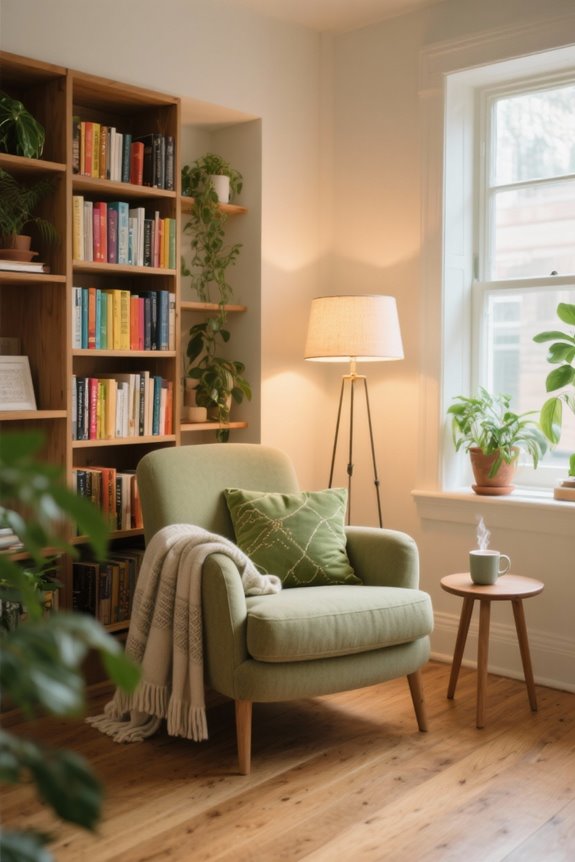
Ambient vs. Task Lighting: Layered Plans to Reduce Eye Strain

Ambient and task lighting are like Batman and Robin—each has its role! Ambient lighting sets the mood with a warm glow, while task lighting zeroes in on your work, reducing strain. Picture soft, diffused light from a stylish floor lamp beside your sleek desk—it’s pure magic! Aim for 300-500 lux to keep those peepers happy. Plus, layering the two creates a comfy, productive vibe, and who wouldn’t want that? Stick around for tips on maximizing your lighting game!
Key Takeaways
- Ambient lighting should provide 300-500 lux to create a comfortable environment and reduce glare while supporting productivity.
- Utilize warm color temperatures (2700-3000 K) for ambient light to promote a cozy atmosphere free from eye strain.
- Task lighting must be brighter than ambient light and should range between 3500-4500 K to maintain alertness and focus during activities.
- Layering both ambient and task lighting enhances visual comfort, minimizes shadows, and boosts overall productivity in workspaces.
- Incorporate adjustable brightness and energy-efficient LED bulbs to tailor your lighting setup for specific tasks while promoting sustainability.
Understanding Ambient Lighting
You may be interested


Ambient lighting is often the unsung hero of interior design—where it consistently works behind the scenes! It serves as the backbone of a cozy space, ensuring even light distribution that beats glare and harsh shadows—who wants to squint while binge-watching their favorite series, right? With a recommended color temperature between 2700 to 3000 K, it cultivates a warm, inviting atmosphere that maximizes overall comfort. Effective ambient lighting should hover around 300-500 lux, promoting productivity and reducing eye strain. Think chandeliers, ceiling fixtures, or LED strips—these lighting solutions provide consistent illumination. And don’t forget, layering different types of lighting—like task and accent—can boost both functionality and visual appeal, making your space as fabulous as a Hollywood set! For an inviting reading nook, consider using sconces that emit warm white light at around 3000K to create a cozy atmosphere.
Understanding Task Lighting

Task lighting is an essential ingredient in the recipe for a perfect workspace! This type of lighting provides focused illumination for tasks like reading or intricate writing, enhancing visibility while helping to reduce eye strain—so you can dive deep into that novel or DIY project! Ideally, the color temperature should float between 3500 and 4500 K, striking that perfect balance between bright and cozy. Proper placement? Simply vital! Desk lamps should grace the side of your workspace to minimize glare, while floor lamps steal the show behind your chair. Remember, task lighting needs to shine brighter than ambient lighting to boost productivity. From adjustable desk lamps to under-cabinet lights, find tailored illumination for your workspace that meets every unique need! For the ultimate reading nook, consider adjustable wall sconces as they allow you to direct light precisely where it’s needed, enhancing your reading experience.
The Importance of Balanced Lighting

Finding the magic balance in lighting transforms any workspace into a productivity superstar! Achieving that harmony, where ambient lighting coexists perfectly with task lighting, markedly reduces eye strain and visual fatigue. Imagine a cozy glow—around 2700 to 3000 K—enveloping you as you tackle tasks under brighter, focused light (3500 to 4500 K)—it’s practically a work win! This layered lighting approach not only keeps discomfort at bay but makes your environment sing productivity like never before! No more constant eye adjustments, just smooth sailing through your tasks while avoiding those glaring headaches. With adjustable brightness settings, you can cater the lighting to your specific needs, enhancing reader comfort and productivity. With a balanced setup, you can convert even the dullest office into a vibrant sanctuary of creativity—seriously, who doesn’t deserve that? Let’s illuminate those skills, shall we?
Recommended Products

【16000LM ULTRA BRIGHT LED FLOOR LAMP】 Honeywell office floor lamp features an ultra-wide lighting panel (24*11.3 inches), delivering bright and even 16,000 lumens of illumination that covers up to 258 square feet. The top light source (12624LM) provides ambient fill lighting, while the bottom light source (3376LM) is specifically designed for task lighting. This creates an ideal bright yet comfortable lighting environment for various spaces such as studies, offices, living rooms, piano rooms, and bedrooms

Luxury Feather Floor Lamp: This is a modern and elegant feather floor lamp, made of real natural ostrich feathers and a resin lamp body. The whole lamp decorates your living room, bedroom, hotel lobby corridors and girls rooms or guest rooms, etc.

Floor Lamp: The ostrich feather lamp body is made of resin, and the feathers are made of ostrich feathers. The fluffy and luxuriant ostrich feathers bring soft and warm lights to your place, create a delicate environment and dreamy atmosphere, and add personality and romance to your room
Effects of Poor Lighting on Eye Health

A well-lit workspace is a game-changer for eye health! Poor lighting can release chaos on your visual health, cranking up eye strain—like trying to read a book in a dimly lit cave! Both ambient and task lighting play essential roles, with studies showing that productivity can dip by 20% in poorly lit areas. Yikes! Without sufficient ambient light (aim for 300-500 lux), screens become glaring monsters, leading to headaches and discomfort. Incorporating effective task lighting helps reduce that dastardly glare—talk about a superhero duo! By ensuring balanced illumination, you can keep your eyes happy and your workflow smooth. Who wouldn’t want that? Prioritize lighting, and you’ll boost both productivity and health, making work feel less like a chore! Consider selecting lamps with dimmable options to adjust brightness according to activity and time of day.
Strategies for Effective Ambient Lighting

While many may not realize it, effective ambient lighting can dramatically transform any workspace into a haven of comfort and productivity! Ideal ambient lighting falls between 300-500 lux—just the sweet spot for reducing eye strain and boosting focus! Using soft, diffuse light sources like chic floor lamps or stylish wall sconces helps banish nasty shadows and those pesky hot spots that threaten visual comfort. Oh, and goodbye harsh overhead fixtures—even a trendy IKEA piece—indirect lighting is your best friend! Want adaptability? Dimmable fixtures let you customize brightness to fit your vibe. Plus, aim for color temperatures of 3000 to 4000K! This cozy glow keeps you alert without zapping your eyes—seriously, it’s like a hug for your retinas! For enhanced safety in your space, choose lamps with weighted bases to prevent tipping, especially if you have children or pets around.
Recommended Products
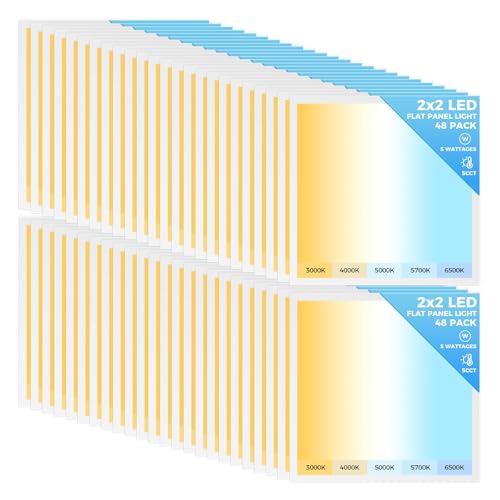
1,ENERGY SAVING. This 2' x 2' recessed drop ceiling light use high-quality LED beads with high luminous efficiency 130LM/W, this 50w led light panel can provide ultra bright 6500lm lighting for you, it can replace the traditional 200W fluorescent lamps, which will help you saving 80% of your electricity bill and carbon emissions.

GEORGE'S READING ROOM LED FLOOR LAMP DIMENSIONS: 8.25-in Width x 50-in Height 12.57 lbs.

UL listed. 68 1/2" high overall. Round base is 12" wide. 7" glass globe are staggered at heights of 68 1/2", 62", 55 1/2" and 48 3/4". Weighs 30.2 lbs.
Strategies for Effective Task Lighting
Illuminate your workspace with the perfect task lighting! Strategically placed task lighting—think sleek, adjustable task lights—can dramatically enhance visibility while minimizing glare and shadows. Imagine diving into detailed work, whether reading the latest thriller by Stephen King or crafting the perfect presentation—properly positioned lighting can make all the difference. Recommended brightness levels, usually brighter than ambient lighting, guarantee your workspace shines just right without causing eye strain. Plus, coupling task lighting with ambient lighting maintains a cohesive and effective design, promoting visual comfort. So, don’t forget that sweet spot between 3500-4500 K to keep your eyes happy while finishing those important tasks. Task lighting isn’t just functional; it’s a stylish necessity for any workspace! Consider integrating smart sensor LED lighting into your task lighting setup for automatic illumination and energy efficiency, enhancing both functionality and design.
Recommended Products

【16500LM Ultra-Bright Dual-Source Floor Lamp】The 77.4" tall floor lamp features 960 Sunturalux full-spectrum LED beads that simulate natural sunlight, delivering bright and uniform 16,500LM illumination with a 269ft coverage range. Unlike the 02E series, the upgraded 06E Ultra bright floor lamp incorporates a 32" x 11.8" rectangular panel with dual independently controlled light sources - an upper light (14,041LM) for ambient fill and a lower light (2,458LM) for task lighting. This customizable dual-zone system creates optimal bright yet comfortable lighting for various spaces including studies, offices, living rooms, piano rooms and bedrooms

▶ Hardwired or Plug-in Installation – Install as permanent LED under cabinet lighting with direct wire, or use a plug-in for quick setup without an electrician. Flexible solution for kitchens, closets, and workspaces

✅ BULLNOSE DESIGN - ASD 120V LED under cabinet lighting hardwired features a sleek bullnose profile, smooth dimming from 10% to 100% with compatible LED dimmers, and three selectable color temperatures: 3000K (Soft White), 4000K (Cool White), and 5000K (Daylight)
Color Temperature Considerations
How can something as simple as color temperature transform a workspace from bland to brilliant? Well, imagine basking in warm tones of 2700K to 3000K—perfect for cozy vibes and relaxation! On the flip side, splash in cooler whites between 4000K to 5000K for that alert, “I’m ready to tackle this task!” mood. Balancing these color temperatures creates a visual comfort zone, enhancing production and well-being while reducing eye strain—think of it as your workspace cheerleader! Don’t forget adjustable lighting; it’s like having a chameleon for light levels, adapting to natural daylight rhythms. But be warned! Mismatched colors can cause glare, leading to visual discomfort—nobody wants that in their creative cave! Seriously, nail your color temperature game! For those looking to enhance their reading spaces, consider installing plug-in reading sconces with dimmable features to tailor lighting for different activities.
Avoiding Glare and Shadows
Ever wondered why sometimes the brightest ideas feel shadowy and dim? It’s all about avoiding glare and shadows! Proper positioning of ambient lighting and task lighting can work wonders—desk lamps placed on the side can minimize that pesky glare on screens. Using indirect light sources, like cozy floor lamps, creates a soft, even glow that boosts visibility without harsh shadows—think of it as lighting’s version of a gentle hug! A well-lit workspace should aim for those dreamy ambient levels of 300-500 lux to fend off eye strain. Dimmable fixtures? They’re absolute gold! They allow for brightness adjustments throughout the day, adapting naturally to changing light—because, let’s face it, who doesn’t love a lighting chameleon? Incorporating ergonomic designs in your workspace can further enhance comfort and reduce strain, ensuring a more productive environment.
Layering Lighting for Comfort and Functionality
Creating a blissful workspace isn’t just about shooing away glare and shadows—it’s the art of layering lighting! This delightful approach combines ambient lighting and task lighting, crafting a balanced environment that not only reduces eye fatigue but also enhances comfort. Imagine a workspace doused in 300-500 lux of soft, warm LED lighting—perfect for comfort while being kinder to your eyes! Task lighting, like those stylish desk lamps or under-cabinet beauties, adds focused illumination to specific work areas, banishing shadows with flair. Consider color temperatures: warm hues (2700-3000K) for ambient wonders and cooler tones (3500-4500K) for task lights—it’s like having coffee for concentration! Don’t forget dimmable options; they’re the cherry on top for adapting to your needs, ensuring delightful visual interest in every project! To further enhance your space, consider energy-efficient LED bulbs for their longevity and comfort during extended use.
Choosing the Right Lighting Fixtures
Light fixtures are the unsung heroes of any workspace, truly! To combat eye strain effectively, a savvy selection is crucial. Think ambient lighting for overall illumination—ceiling mounts that bathe the room in soft, inviting light (300-500 lux is the sweet spot)—and task lighting, which focuses on those nitty-gritty details. Enter desk lamps! Adjustable and positioned just right, they help minimize shadows and glare, turning tedious work into a breezy affair. Don’t forget color temperature! A warm hue around 2700-3000K for ambient vibes and a sharper 3500-4500K for task lighting will enhance visual comfort immensely. Proper placement, too, is key—who wants annoying overhead glare interrupting their flow? Light up that workspace, folks, and let the creativity shine! When considering lighting options, room-darkening curtains can further enhance the reading atmosphere by providing soft lighting while ensuring privacy.
Recommended Products
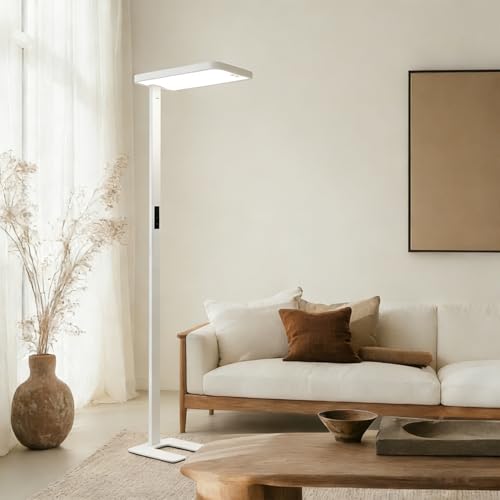
ALWAYS BRIGHT LIKE 10AM SUNLIGHT: Automatically adjusts brightness to match your surroundings, delivering consistently comfortable illumination day or night. With an ultra-high 98Ra CRI, the PalFish LED floor lamp restores true-to-life colors for reading, working, or relaxing—just like natural morning sunlight.

【Adorable Bird Design with Flexible Adjustment】This bird lamp isn't just a light—it's a cute, functional decor piece! We've nailed the perfect bird proportions, so it looks natural and charming anywhere. The flexible neck (just like a real bird's!) lets you twist the lamp head and stand freely. You can angle it up, down, or sideways easily, keeping its sleek shape while fitting your reading, working, or ambient lighting needs

Elegant Design: The pendant chandelier combines durable metal, crystal-clear acrylic pipes, and classic clear glass shade creating beautiful light refraction and a soft, inviting glow, add a sophisticated industrial-modern aesthetic.
Enhancing Productivity With Proper Lighting
While many might not realize it, the right lighting can turn a mundane workspace into a productivity powerhouse! Proper ambient lighting—aiming for 300-500 lux—keeps eye strain at bay while enhancing overall brightness. A balanced mix of ambient and task lighting boosts visibility, allowing detailed tasks to feel less like brain surgery: complex but manageable! Adjustable task lighting lets you shine a spotlight on what you need to focus on, transforming your work environment into a tailored wonderland. Who said productivity can’t be stylish? With a killer combo of soft ambient glows and sharp task light angles, you could see up to a 20% productivity boost! So, why not illuminate your space like a Hollywood production? It’s showtime!
Recommended Products

Strong, Fast, Smart, Durable, & Safe: 355 lb lifting capacity; dual German-made motors; 3-stage legs (33% faster movement & 33% greater height range); advanced anti-collision system; included wire management tray keeps cords tidy

Strong, Fast, Smart, Durable, & Safe: 355 lb lifting capacity; dual German-made motors; 3-stage legs (33% faster movement & 33% greater height range); advanced anti-collision system; included wire management tray keeps cords tidy

Mid Century Bubble Ball chandelier is crafted by skilled masters. made of murano hand blown swirled glass and metal frame used gild brass process, exquisite, solid, light resplendent, a unique piece of art for you a visual comfort
Frequently Asked Questions
What Is the Best Lighting to Avoid Eye Strain?
The best lighting to avoid eye strain includes maximizing natural light, adjusting screen brightness and light intensity, managing room color, positioning lighting correctly, utilizing monitor filters, and practicing eye exercises for effective glare reduction and comfort.
What Is the Difference Between Ambient Lighting and Task Lighting?
Ambient light creates a gentle, enveloping glow, while task light pierces through the darkness, illuminating work with precision. Different brightness levels, color temperatures, and strategic fixture placements guarantee design aesthetics complement functional zones seamlessly.
Is Ambient Lighting Good for Eyes?
Ambient lighting is beneficial for the eyes, providing ideal lighting conditions through indirect lighting advantages. It enhances eye comfort strategies by improving visibility, reducing glare, and ensuring appropriate contrast, essential for effective workspace illumination and lighting placement.
What Type of Lighting Is Best for Working at a Computer to Reduce Eye Strain?
To minimize eye strain when working at a computer, the ideal workspace design includes adjustable desk lamps, effective monitor placement strategies, and anti-glare glasses, while managing computer screen brightness, color temperature effects, and window glare reduction.


